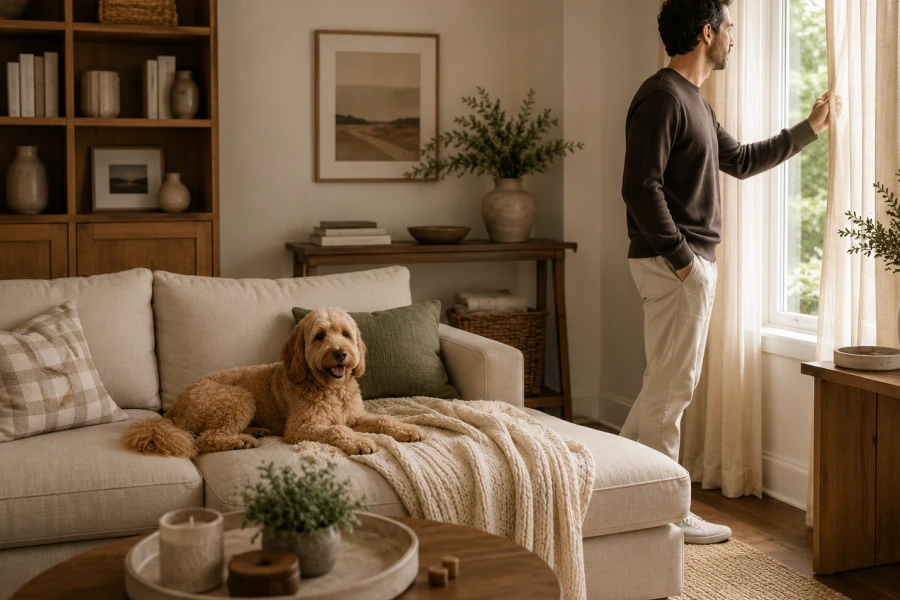
A stale apartment often feels more crowded than it really is. The issue may not be the size of the room. It may be how air travels through it. Apartment air quality improvement starts with simple observations. Notice which rooms feel heavy or closed in. Pay attention to lingering cooking smells and damp corners. These clues show where fresh air needs support. Small layout changes can create an immediate difference. A better routine helps that improvement last. Freshness becomes easier when the space works with you.
Air does not behave the same way in every room. Kitchens collect steam and food odors. Bedrooms may feel stuffy after closed-door nights. Bathrooms can hold moisture long after showers. Start by noticing the room that feels least comfortable. Then identify what happens there most often. Is the window blocked by furniture? Does fabric hold moisture or scent? Is the door usually closed? Specific answers create a more useful plan. You can improve one room without overhauling the entire apartment.
Opening a window at the right time can make a room feel renewed. Choose moments when outdoor conditions are comfortable. A few minutes may be enough for a targeted refresh. Open interior doors to help air move farther. Keep curtains pulled back when you want more circulation. Pair this habit with apartment ventilation habits and window ventilation routine choices that fit your day. Avoid making it an all-or-nothing task. Brief, regular airflow is often easier to maintain. Your apartment begins to feel less sealed off.
Large furniture can quietly block movement through a room. A sofa pushed too close to a vent may trap stale air. Bookcases can create closed corners near windows. Look for tight spaces that never seem to feel fresh. Pull items slightly away from walls when possible. Leave room around air pathways instead of filling every gap. Try furniture layout for airflow before buying anything new. A small adjustment can change both comfort and visual openness. The room may even feel larger after the shift. Better circulation often begins with less blockage.
Cooking creates warmth, moisture, and strong smells in a small footprint. Use ventilation whenever your kitchen allows it. Open a nearby window after frying or simmering. Wipe splatters before they turn into lingering residue. Keep dish towels dry between uses. Empty food waste before it becomes noticeable. Let cookware cool uncovered when appropriate. These small habits reduce the chance that odors travel farther. They also make the kitchen feel cleaner after meals. A fresher cooking zone supports the whole apartment.
Fresh air does not always require an expensive upgrade. Start with the items already affecting your space. Wash curtains, bedding, and washable throws regularly. Remove cardboard, damp laundry, and clutter from closed corners. Keep shoes and bins from trapping odors near the entry. Wipe down surfaces that collect kitchen residue. Make space around windows and vents. Choose a few repeatable actions instead of chasing perfection. Small maintenance decisions create noticeable comfort. The apartment feels lighter because fewer things hold onto stale air.
Daily freshness comes from small repeated actions. Open a window while you tidy one surface. Clear damp towels before bedtime. Shake blankets and cushions occasionally. Check trash bins before odors build. Use daily fresh-air reset moments to make these steps feel natural. A short habit prevents several bigger problems. It also creates a calmer transition between work and home life. You do not need a perfect schedule. You only need a few dependable cues.
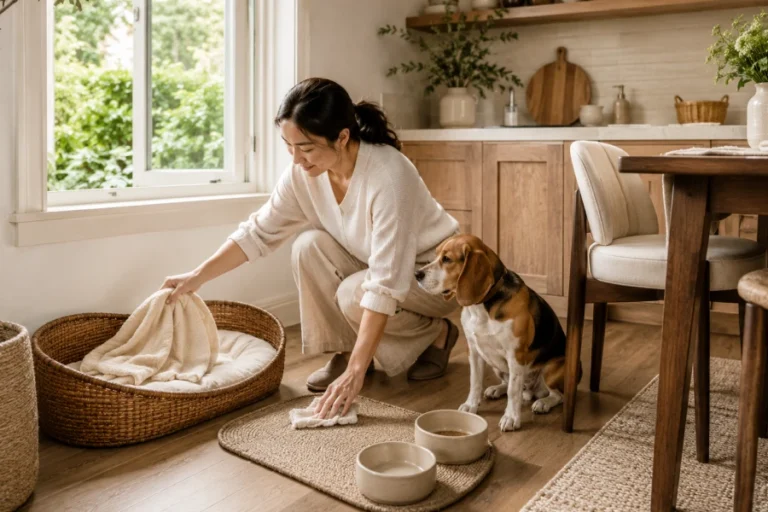
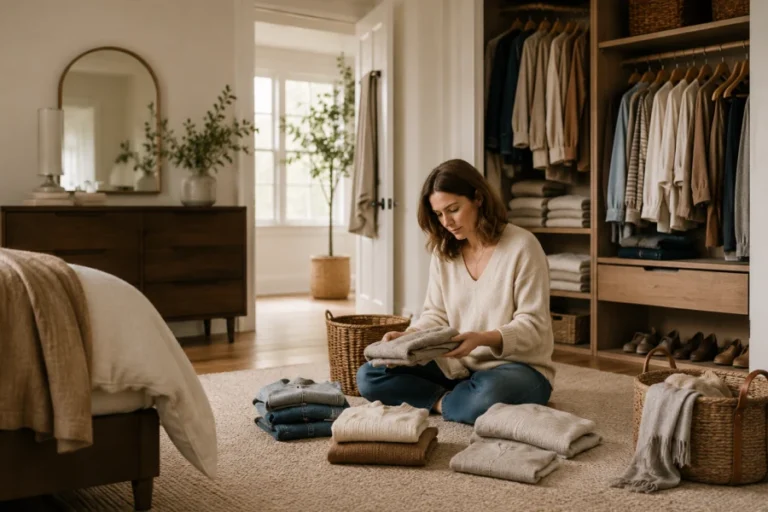
Soft materials can quietly change the feeling of a room. Rugs, pillows, bedding, and curtains collect everyday odors over time. Start by washing or airing the pieces used most often. Vacuum rugs before dust settles deeper. Rotate decorative blankets between rooms when possible. Let mattresses and cushions breathe during weekly cleaning. Even a small apartment benefits from regular fabric care. These choices remove a common source of heaviness. They also make rooms feel more comfortable without changing the décor. Fresh materials support a fresher overall atmosphere.
Seasonal shifts can change how your apartment feels. Winter may bring closed windows and heavier fabrics. Summer can add warmth, moisture, and more cooking odors. Adjust your habits instead of using one routine all year. Air rooms during the safest and most comfortable part of the day. Wash bedding more often during humid periods. Check corners for dampness after rainy weeks. Move furniture slightly if airflow changes. A flexible approach works better than a fixed rule. Your space stays more comfortable through every season.
Freshness does not mean your apartment must feel clinical. It means the air supports the way you live. Aim for rooms that feel open, breathable, and easy to return to. Notice improvements instead of searching for flaws. One better window habit can change an entire evening. A clear pathway can make a bedroom feel less stuffy. Start with the most uncomfortable space first. Then let that improvement guide the rest. Comfort grows through attention, not through complication. The best routine is one you can keep.


Leave a comment