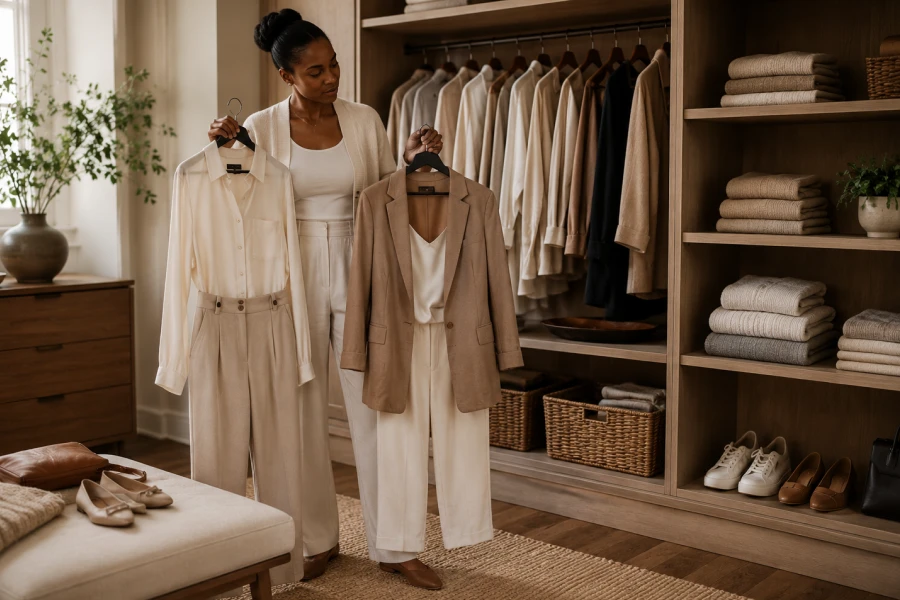
Morning outfit decisions often feel harder than they should. The problem is not always a lack of clothing. It may be a lack of visibility and simple combinations. AI outfit planning can reveal patterns in what you already own. It may show colors that work well together. It can also highlight pieces you rarely consider. These insights reduce the pressure of choosing quickly. You still decide what feels right for the day. The system simply helps make your options easier to see.
Outfit suggestions work best when they reflect real habits. Start by noticing your most-worn pieces. Identify the clothes you choose for work, rest, errands, and events. These items form the foundation of your wardrobe. They show what you value in comfort and style. Do not build around clothes you only wish you wore. Begin with what already supports your day. This makes recommendations more realistic. It also helps you avoid creating outfits that never leave the hanger. Practical visibility is more useful than fantasy styling.
Weekday dressing needs speed more than endless variety. Group a few reliable pieces near each other. Keep comfortable layers visible during changing weather. Use a simple color structure that helps combinations appear quickly. Make space for shoes and accessories that suit your routine. Try decision-free outfit choices and visual wardrobe planning when time is short. The goal is not to wear the same thing every day. It is to reduce the effort behind a good choice. A clear system can make mornings feel less rushed. That ease often changes the rest of the day.
Repeating an outfit formula is not a lack of creativity. It can be a useful form of confidence. Notice combinations that consistently make you feel comfortable. Perhaps one pair of trousers works with several tops. Perhaps a favorite jacket makes simple outfits feel finished. Keep these successful pairings easy to spot. Photograph them for reference if that helps. A reliable formula saves energy on busy days. It also gives you a starting point for more playful choices. Repetition can make your wardrobe more useful, not less interesting.
Patterns become obvious when you view clothing together. You may discover that you buy the same color repeatedly. You may notice that certain silhouettes always stay unworn. This information can make future shopping more intentional. Keep the shades that make you feel most like yourself. Use contrast carefully when you want variety. Avoid buying pieces that do not connect with anything else. A visual wardrobe reveals these gaps quickly. It turns vague impressions into useful knowledge. Better choices often begin with clearer patterns.
Special occasions feel easier when your closet already has structure. Keep one small area for event-ready pieces. Make sure those items are easy to find and assess. Check whether shoes, layers, and accessories support them. Use wardrobe gap awareness to spot what would make these outfits more complete. You may need a simple layer rather than a whole new look. Planning ahead removes much of the last-minute pressure. It also helps you shop less impulsively before events. Your closet becomes more prepared for real life.
Weather can make a good outfit feel impractical quickly. Keep layers, rain-ready pieces, and temperature changes in mind. Store common weather items where you can see them. Group lightweight layers near outfits that use them often. Move seasonal pieces forward when the forecast shifts. Do not let useful clothing disappear behind older categories. A small visual adjustment makes dressing easier. It also helps you make better use of what you own. Clothing becomes more adaptable when the closet reflects the season. That practical structure supports confidence every morning.
Small closets need clearer visual rules. Keep the daily wardrobe front and center. Store occasional pieces in less accessible areas. Use vertical space carefully without hiding important categories. Avoid overcrowding rails until nothing can be seen. Build small closet layout choices around access rather than maximum storage. A little empty space helps you compare possibilities. It also reduces the feeling of overwhelm. The closet feels more useful when your favorite pieces are easy to reach. Visibility matters more than stuffing every available inch.
Outfit planning can change the way you bring new clothing home. You see whether a purchase works with your existing categories. You can ask whether it creates more options or only more clutter. Keep a note of genuine gaps instead of shopping from boredom. Review combinations before buying another similar piece. A clearer wardrobe makes these choices less emotional. You spend more time wearing what you love. You spend less time searching for a missing match. That is where planning becomes financially useful. Intentional choices support a calmer closet over time.
Technology can suggest combinations you may not notice alone. It cannot understand your comfort, mood, or personal context completely. Treat suggestions as starting points. Keep the looks that feel like you. Ignore the ones that do not fit your day. Use the tool to reduce friction, not to create rules. A good system supports choice rather than limiting it. You remain the editor of your wardrobe. The best outfit is the one that helps you feel ready. That clarity is more valuable than endless options.
A smoother morning begins before you open the closet. Clear categories and visible combinations reduce small decisions. You can get ready without starting the day in frustration. Make a few useful pairings easy to repeat. Keep seasonal pieces available when needed. Let the system evolve as your life changes. The aim is not to optimize every outfit. It is to make dressing feel less demanding. When your closet supports you, the rest of the day has more room to unfold.




Leave a comment